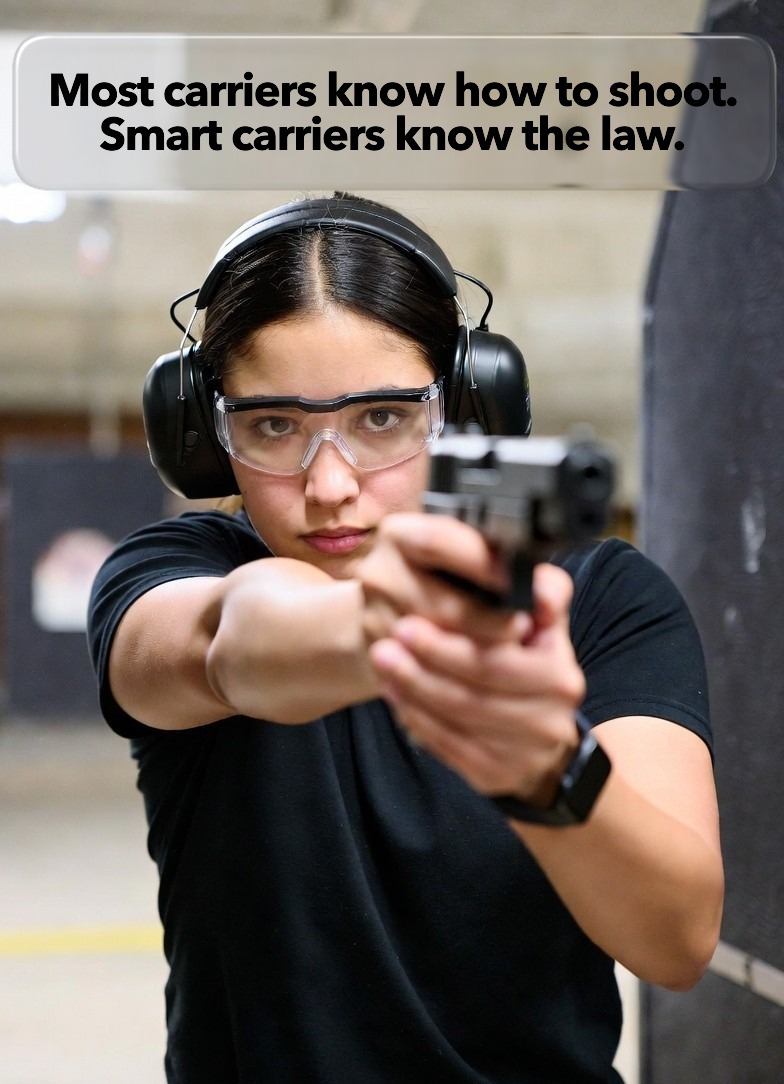
There’s a dangerous mindset that shows up far too often among gun owners: “I’ve been carrying for years and I don’t need training.”
If that sounds familiar, this one’s for you.
⚠️IMPORTANT: This post is for general educational purposes only. It is not legal advice and does not create an attorney-client relationship. Texas carry laws are complex and change. Consult a licensed Texas attorney for questions about your specific situation.
20 years of experience means 20 years of practice. If the fundamentals were wrong on day one, you’ve had twenty years to make them permanent. That’s a long time to lock in bad habits.
Experience and training are not the same thing. One is just time on the range. The other is structured correction that fixes what’s broken. That’s the difference between confidence and competence.
Bad habits practiced under normal range conditions become catastrophic habits under stress. Muscle memory doesn’t care whether your grip was right or wrong. It just executes what you’ve drilled. The same goes for your draw stroke, your trigger press, your muzzle discipline, and your decision-making. Whatever you’ve repeated hundreds or thousands of times is exactly what your body will deliver when the adrenaline hits.
Here in Southeast Texas, those habits show up in ways you might not notice on a flat indoor range. Maybe you’ve been clearing a damp fishing shirt the same quick way for a decade and never realized the fabric bunches under real humidity. Maybe you’ve developed a little anticipatory trigger slap from years of casual plinking that feels fine at the range but could matter when it counts. The most dangerous carrier in the room is often the most confident one. Confidence without competence is a liability.
Instructed training isn’t an insult to experience. It’s a calibration. Competitive shooters and law enforcement officers train regularly because they understand this truth: experience alone isn’t enough. The best in any field seeks out fresh eyes, new perspectives, and deliberate practice to stay sharp. Why should responsible armed citizens be any different?
Here in Southeast Texas and Fort Bend County, our carry environment is unique. Dense urban areas, rural properties, vehicle carry, and home defense all overlap in ways you won’t find on a sterile indoor range. Your training needs to reflect the reality you actually live in and not the way you drilled 20 years ago.
A Simple Self-Check You Can Do Today: If you’re not sure whether your habits need a tune-up, try this quick test at home (unloaded firearm only).
- Video three slow draws from your everyday concealment setup in the same shirt you actually wear, untucked, in normal carry conditions.
- Watch the video and compare it against the basic four safety rules: treat every gun as loaded, muzzle in a safe direction, finger off the trigger, and know your target and what’s beyond it.
You’ll often spot something small that’s been hiding in plain sight for years.
Bottom Line: Experience alone can lock in bad habits and dangerous overconfidence. Real training fixes what’s broken and matches the reality you live in. Training is designed to diagnose, correct, and strengthen the fundamentals that actually matter when it counts. Train with people who understand the difference between “I’ve been doing it this way forever” and “I’m doing it the right way, every time.”
Safe carry brothers and sisters.
Want to start your Texas LTC? Click the “Enroll Now” button below and get going with the DPS approved online course for $49. The LTC course is built to help you understand the law, complete the classroom portion, and move through the process with confidence. We recommend the online course because most people have jobs, kids, schedules, and exactly zero interest in adding one more drive across town. When you are ready for range proficiency, reach out and we will help you finish the next step.
NOTE: after clicking enroll now, you will land on the Texas Carry Academy portal. Follow instructions on the page and you can start your online LTC today.
⚠️IMPORTANT: This post is for general educational purposes only. It is not legal advice and does not create an attorney-client relationship. Texas carry laws are complex and change. Consult a licensed Texas attorney for questions about your specific situation.