
Permitless carry is your fundamental right in Texas. It lets eligible citizens carry without a permission slip from the state. Relying on that right alone, however, creates real liabilities.
Texas DPS approved LTC online course available right now for $49! Finish at your own pace and contact us for range proficiency. Scroll down and click the “Enroll Now” button.
⚠️IMPORTANT: This post is for general educational purposes only. It is not legal advice and does not create an attorney-client relationship. Texas carry laws are complex and change. Consult a licensed Texas attorney for questions about your specific situation.
Carrying a firearm without formal credentials exposes you to legal ambiguities and logistical hurdles. A Texas LTC establishes a clear, documented baseline of legal preparedness. The state application fee sits at only $40, making it one of the highest-leverage investments a responsible gun owner can make.
5 Undeniable Advantages of a Texas LTC:
1. Documented Competence:
An LTC instantly confirms to law enforcement that you met a rigorous standard of legal preparedness. It proves you:
- Cleared comprehensive state and federal background checks.
- Completed standardized training on self-defense laws.
- Passed a supervised live-fire proficiency assessment.
2. Interstate Reciprocity
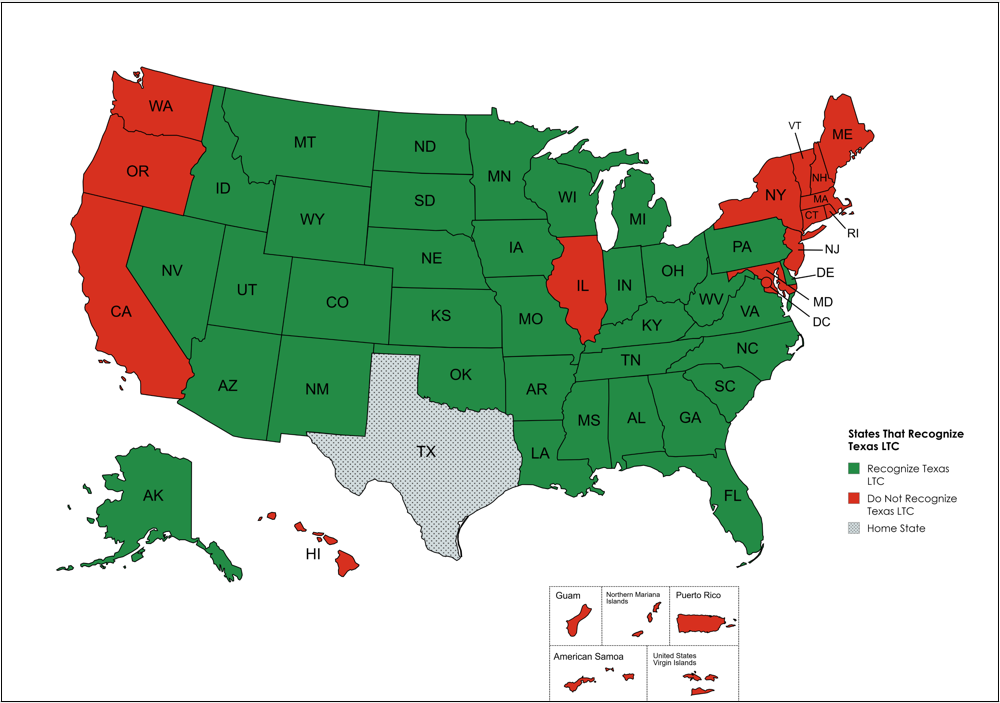
Your right to self-defense should not stop at the Texas border. Rely solely on permitless carry and you turn every state line into a legal minefield. A Texas LTC delivers continuous legal carry through interstate reciprocity. This credential allows you to carry in up to 37 states. Always verify the current reciprocity list with Texas DPS before you travel.
3. Enhanced Trespass Protection
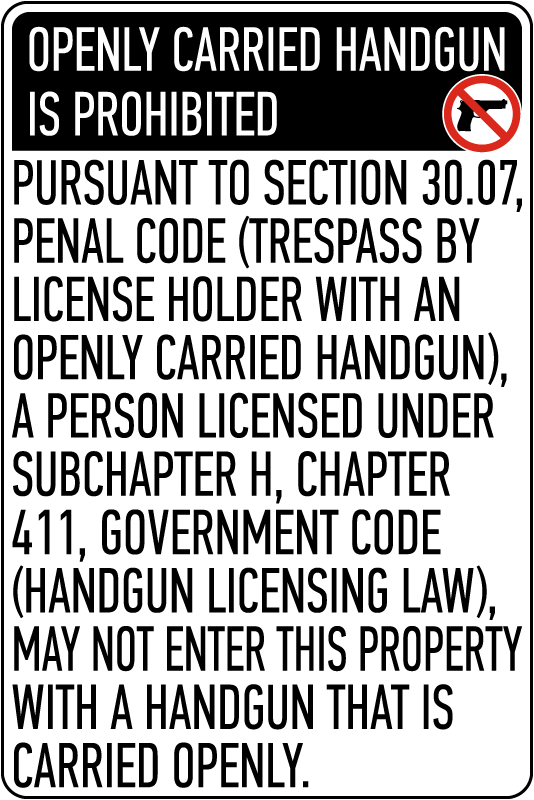
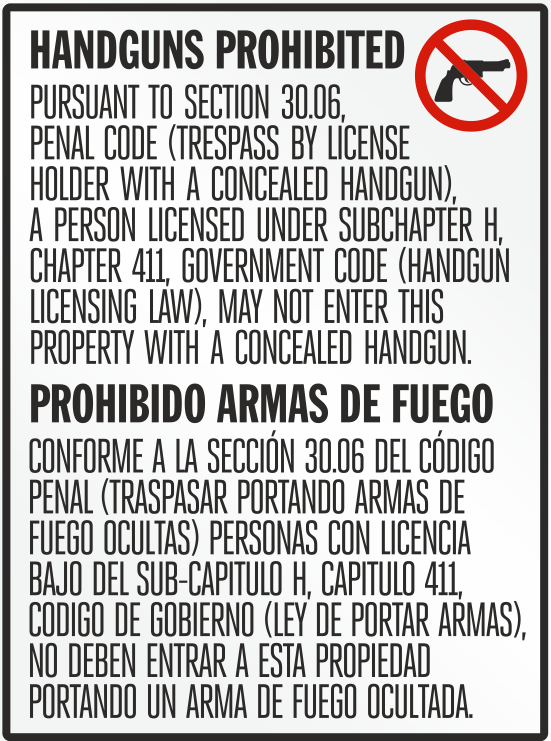
Navigating restricted premises under permitless carry can prove legally treacherous. Generic “no firearms” signs often carry heavy weight against unlicensed carriers. An LTC gives you a critical legal buffer. Property owners must post very specific, legally compliant signage (30.06 and 30.07 signs) to restrict an LTC holder. If a posted sign fails to meet those exact legal requirements, your LTC provides clearer standing against criminal trespass charges.
4. Expedited Purchases
Buying a new firearm should not force you to wait out long, frustrating background check delays. Because the state already thoroughly vetted you, an LTC lets you bypass the National Instant Criminal Background Check System at the point of sale. This cuts delays and accelerates the entire purchasing process.
5. Official State Identification
Your Texas LTC is more than a permit. It is an official, DPS-issued photo ID and credential. It proves you trained and certified while fully meeting state identification requirements—including serving as valid verification at the voting booth.
The Ultimate Return on Investment
Permitless carry lets you stay armed. An LTC ensures you stay legally, practically, and operationally prepared. It replaces dangerous legal assumptions with hard facts and hands you a concrete advantage when the stakes climb highest.
Want to start your Texas LTC? Click the “Enroll Now” button below and get going with the DPS approved online course for $49. The LTC course is built to help you understand the law, complete the classroom portion, and move through the process with confidence. We recommend the online course because most people have jobs, kids, schedules, and exactly zero interest in adding one more drive across town. When you are ready for range proficiency, reach out and we will help you finish the next step.
NOTE: after clicking enroll now, you will land on the Texas Carry Academy portal. Follow instructions on the page and you can start your online LTC today.
⚠️IMPORTANT: This post is for general educational purposes only. It is not legal advice and does not create an attorney-client relationship. Texas carry laws are complex and change. Consult a licensed Texas attorney for questions about your specific situation.